Free shipping on every order
Attachment Warehouse

T01 · Step 1 of 3

Boomo Dig – Excavation volume

Turn measured trench segments, pads and repeated cylindrical holes into a quantity sheet. Keep the full excavation separate from known exclusions so the next material or haul calculation starts with the right volume.

  1. 01Dig
  2. 02Haul
  3. 03Price

Measurements

One row per trench segment, pad or set of identical holes.

Length unit
01 Quantity 1
Shape

Exclusions

Known volume to leave out, for example an existing foundation or pipe. Leave blank if there is none.

Attachment Warehouse · Optional

Attachments for this job

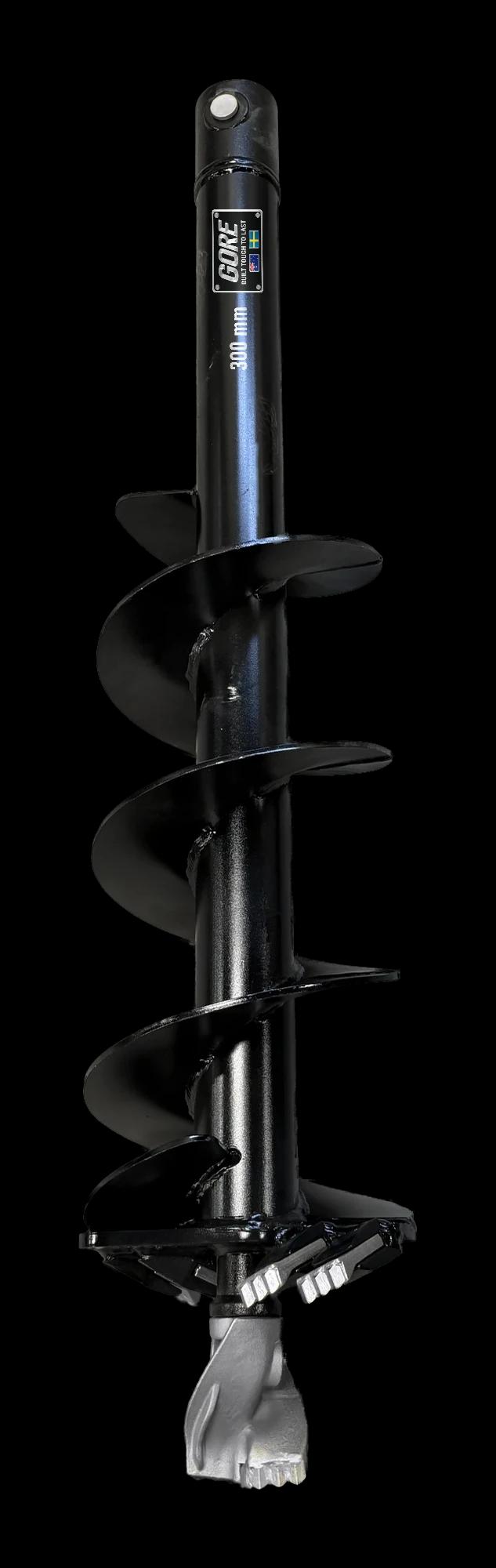
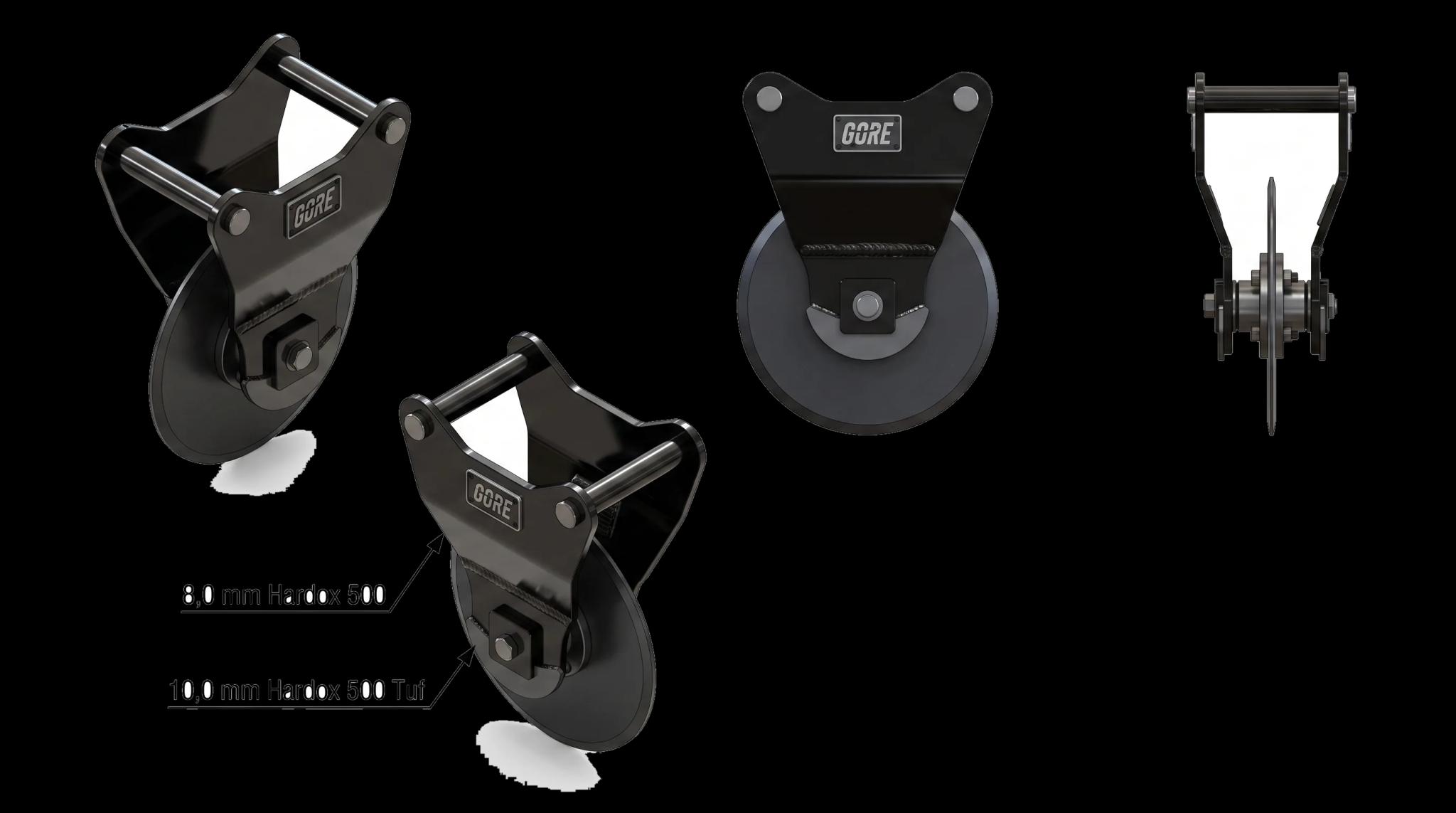
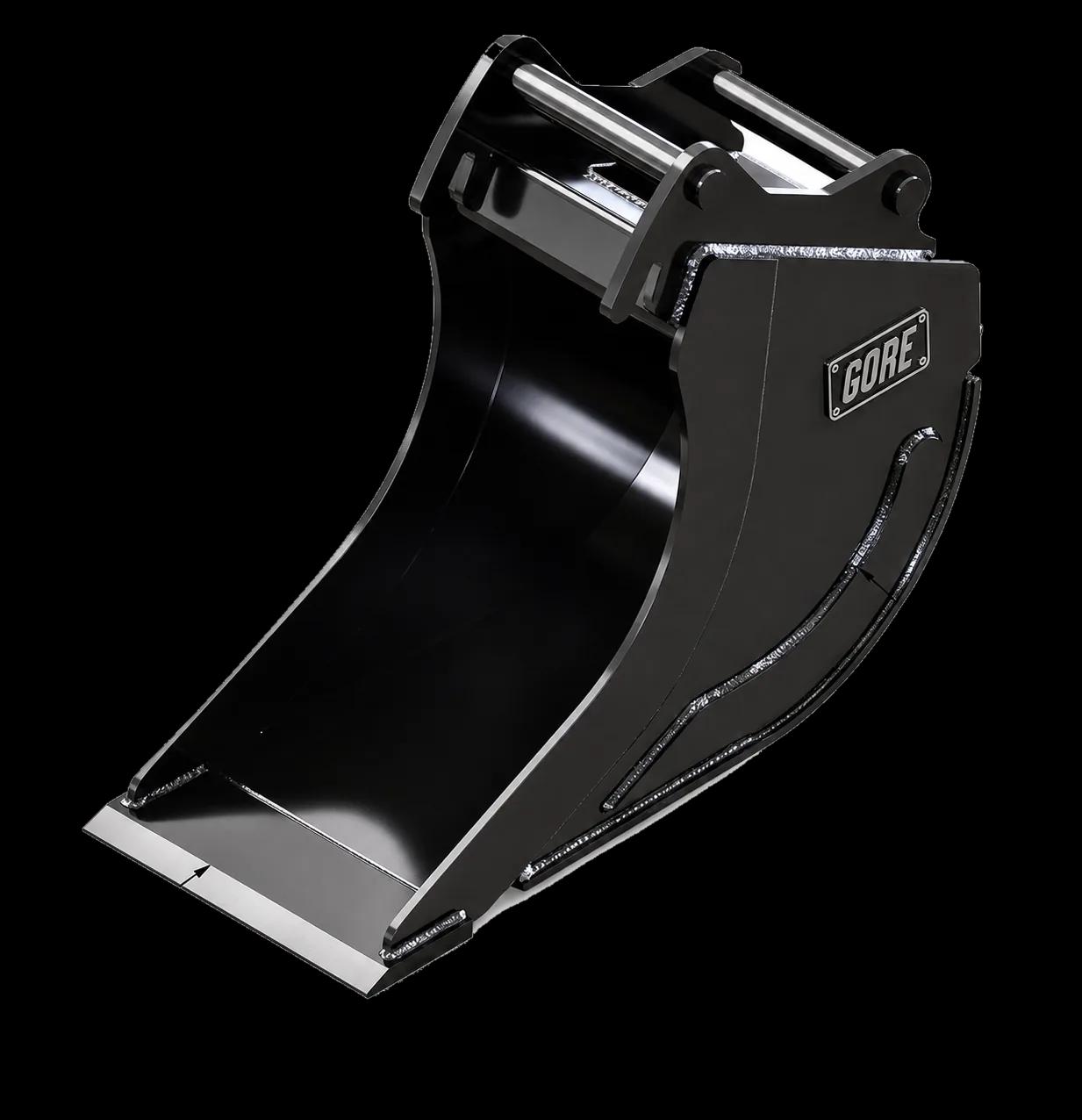
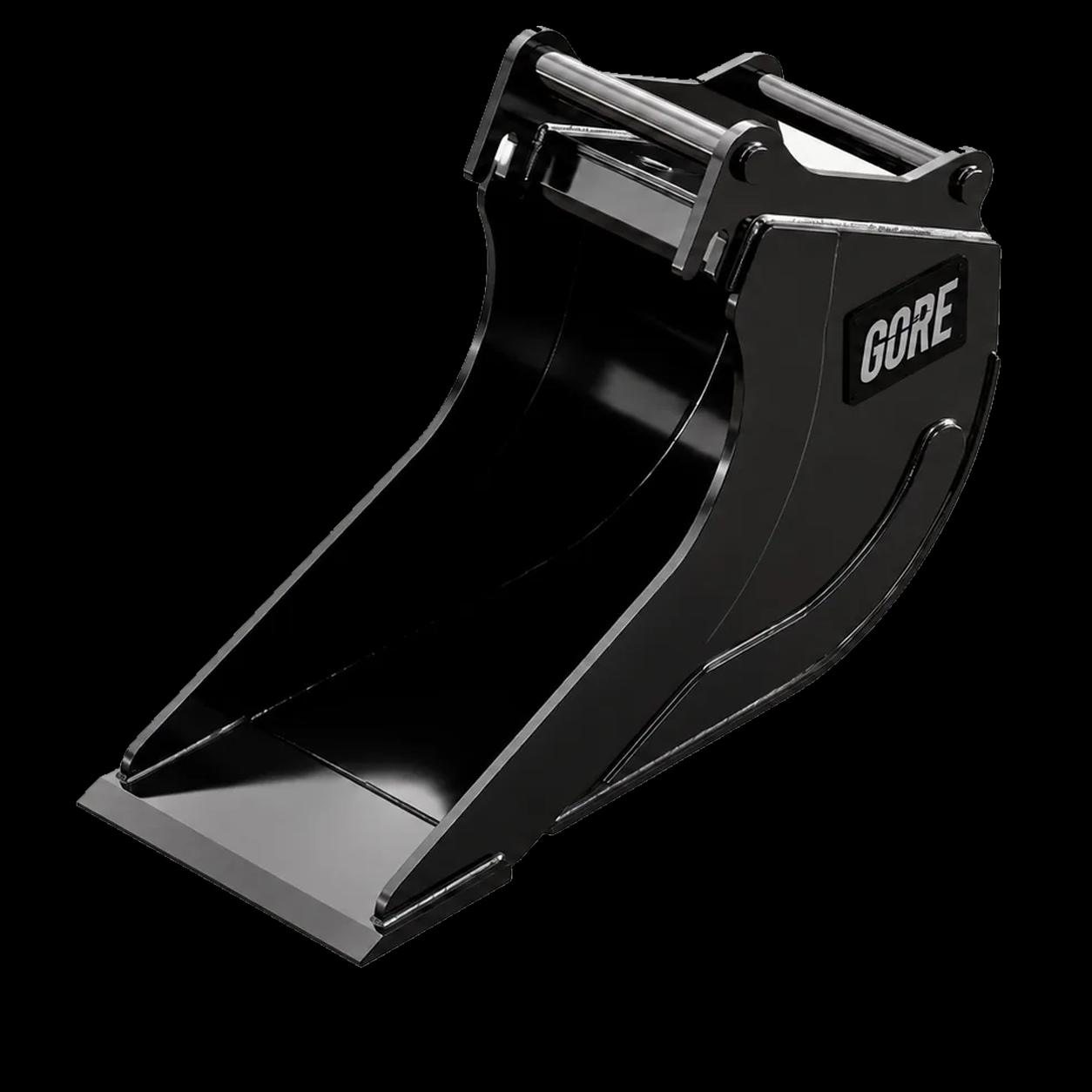
Trenches and holes are dug with narrow cable buckets and auger bits. Compare each listed width or diameter with your measured trench or hole.
How it works

  1. 01

    Choose one dimension unit, then add a separate box for each trench segment or pad. Enter measured length, width and depth.

  2. 02

    For holes, enter diameter, depth and the number of identical holes. Add another row when sizes differ.

  3. 03

    Enter only a known exclusion in cubic metres. Save gross and net quantities separately before opening the spoil worksheet.

Formula

Box: length × width × depth. Cylinders: count × π × (diameter ÷ 2)² × depth.

Net volume = sum of shape volumes − explicit exclusions. 1 m³ = 1,000 litres.

Load labelled example

A trench 10 m long, 0.4 m wide and 0.8 m deep contains 3.2 m³. Deducting a measured 0.2 m³ exclusion leaves 3.0 m³; this does not include a soil expansion factor.

Terms

Delivered in NOK

Norway

    Delivered to Germany

    Germany

      We also deliver to

      Austria, Belgium, Bulgaria, Croatia, Czechia, Finland, France, Greece, Hungary, Italy, Luxembourg, Netherlands, Poland, Portugal, Romania, Slovakia and Spain

      Back to the shop

      Keep exploring the range. Compare specifications and prices, and check each product for availability and lead time.