

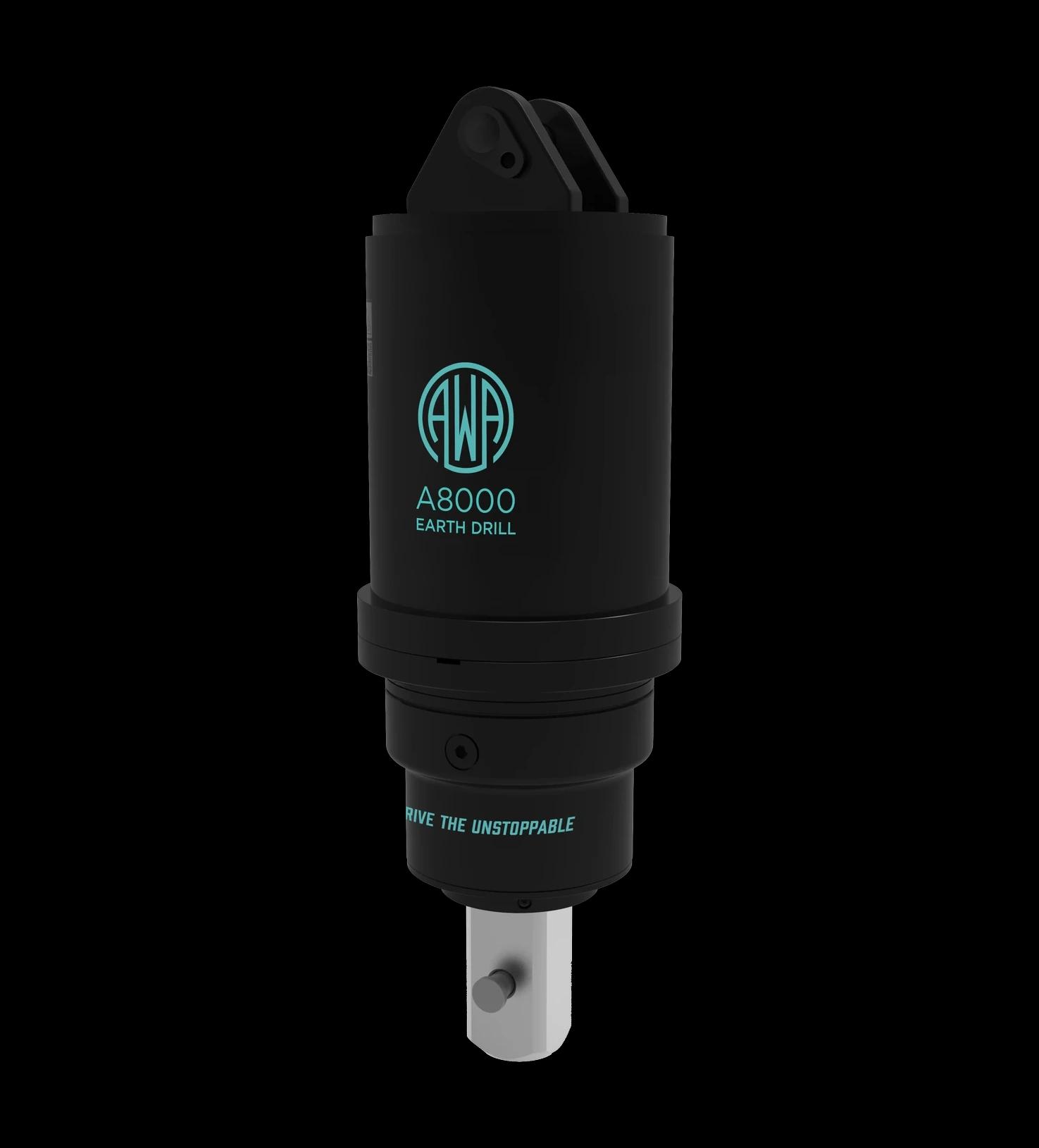

Specification
- Machine weight
- 15–23 t
- Connection
- □75 mm
- Torque
- 24949 Nm
- Speed
- 12–26 rpm
More specifications (3)
- Oil flow
- 80–170 L/min
- Working pressure
- 240 bar
- Weight
- 270 kg
€6,760excl. VAT
Heavy class · Delivery in 4–6 weeks
Your machine

 Choose coupler
Which version do you have?
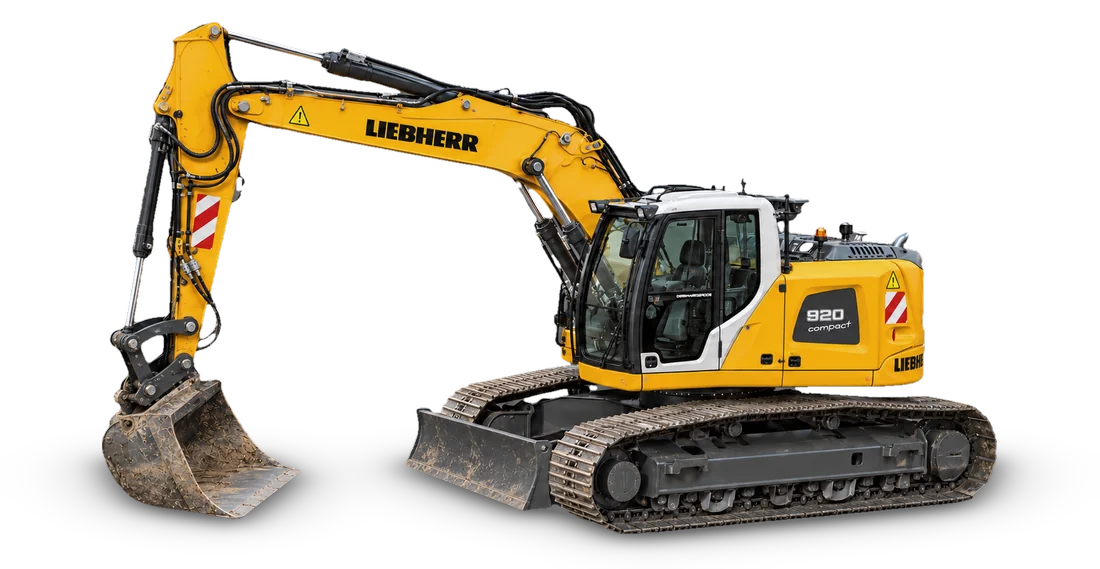
2 attachments fit your R 920, in 1 category.
Does not fit? Free return. Fit guarantee
The machine’s coupler is not stated.
Fits, check first
Built for 15–23 t. Your machine weighs 18,380–21,900 kg. Choose the bracket on the product page. The attachment needs 80–170 l/min. Check the machine’s AUX1 flow before you run it. The attachment needs a case drain line. Check that the machine has one.
Specification
Heavy class · Delivery in 4–6 weeks


Specification
Heavy class · Delivery in 4–6 weeks
We check your machine with you before you buy.
Tell us what you will be doing and we call with a price on what fits. We already know the machine and coupler.
The Liebherr R 920 is a 22-tonne production machine for civil works, demolition and bulk handling where digging force and endurance weigh heaviest. On the S70 hitch you fit large digging buckets, heavy demolition breakers and sorting grapples, and at these forces both hitch and attachment must be rated for the machine’s weight.
The Liebherr R 920 is a production machine for civil works, demolition and bulk handling where digging force and endurance weigh heaviest. On Swedish jobs it runs in heavy excavation, road and demolition shift after shift. At 22 tonnes it is built to work hard and long.
On a big civil job the R 920 digs deep trenches, loads spoil and rips up old ground. On demolition it takes concrete and rebar with the right attachment. The machine does the heavy work, and the attachments should last as many hours as the machine itself.
For a machine with the R 920 force you choose attachments by durability. At these forces both hitch and attachment must be rated for the machine weight, an undersized attachment is both wear and a safety risk.
For a 22-tonne machine you choose large digging buckets for excavation and a wide grading bucket for levelling and slopes. A toothed bucket bites in hard ground, the grading bucket gives an even surface. Bucket size is matched to the machine weight and reach.
A sorting grapple turns the R 920 into a strong demolition and material machine. It lifts stone, pulls structures apart and sorts spoil. At 22 tonnes the machine carries the grapple steadily even well out from the tracks.
All attachments run on the S70 hitch, the standard coupler for the large class. With the same hitch on every attachment you swap quickly between bucket, grapple and breaker during production.
A 22-tonne machine drives a heavy demolition breaker, and the breaker decides what the R 920 can manage in rock and concrete. It must be rated for the machine weight and forces to hit at full effect and last.
Check the oil flow against the breaker spec before you buy. The R 920 has plenty of flow, but the breaker has to be matched to your machine hydraulics. A mismatched breaker hits sluggishly and wears both breaker and machine.
A ripper gets you through compacted ground and rock the breaker cannot manage. It tears up the ground ahead of the bucket, and at the R 920 weight it makes a real difference on heavy ground that otherwise slows the job.
The Liebherr R 920 runs an S70 hitch, the heavy coupler for large excavators. Check the attachment is listed for S70 before you order. At 22 tonnes the machine puts large forces on the hitch, so the hitch and attachment rating is purely a safety matter.
A tiltrotator fits this class and gives the bucket more movement on mixed jobs near edges and slopes. On pure bulk handling the money often does more on extra buckets and a good breaker.
Keep exploring the range. Compare specifications and prices, and check each product for availability and lead time.