

T11
Boomo Tally – Quantities sheet
Measure the job the way a bill of quantities is kept: positions with numbered rows, each with a named formula, equal parts, dimensions and result. Deductions, photos, areas and part-invoice numbers stay on the row, and the excavation, drawing and survey tools feed rows in.
Attachment Warehouse · Optional
Attachments for this job
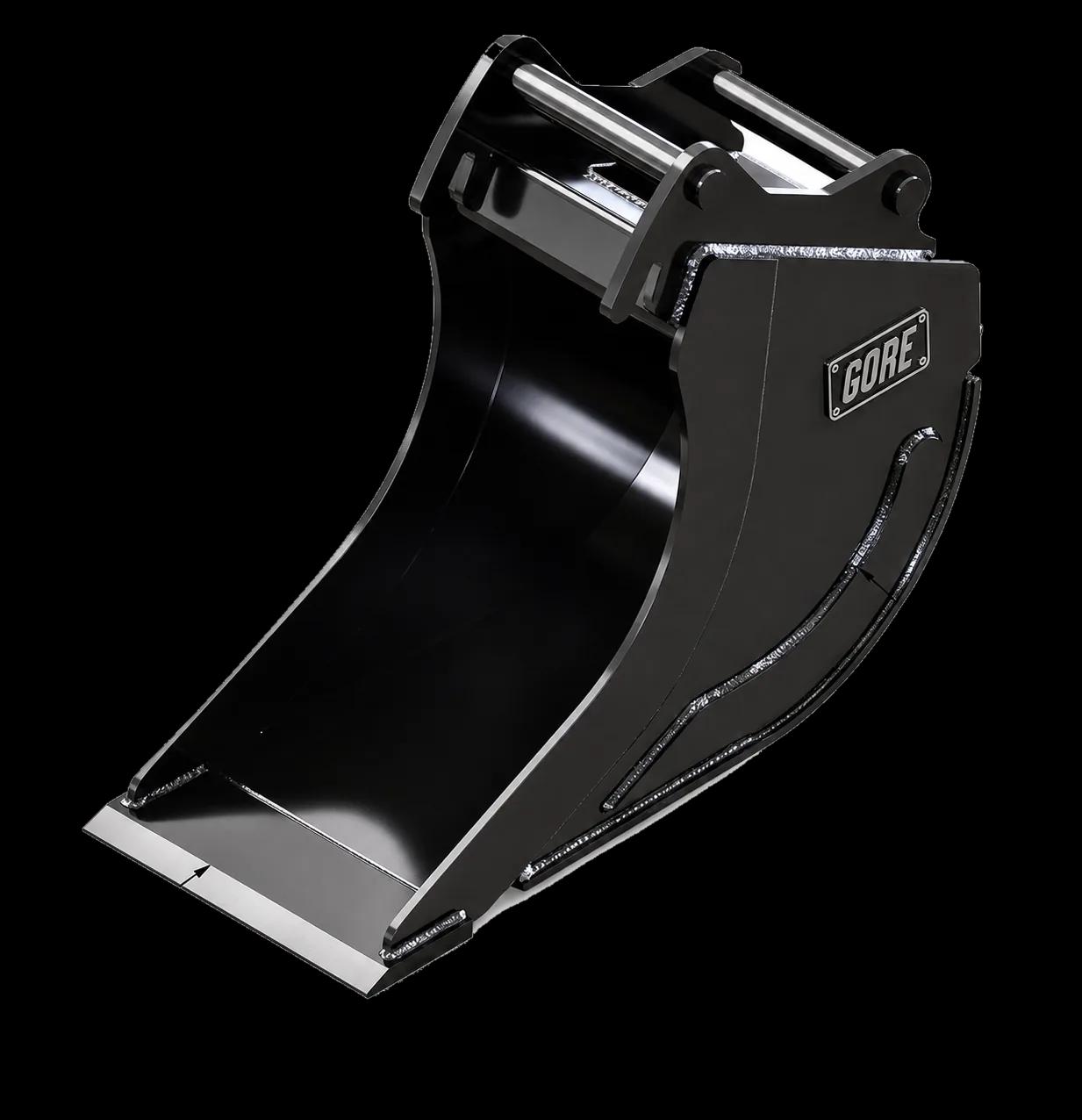
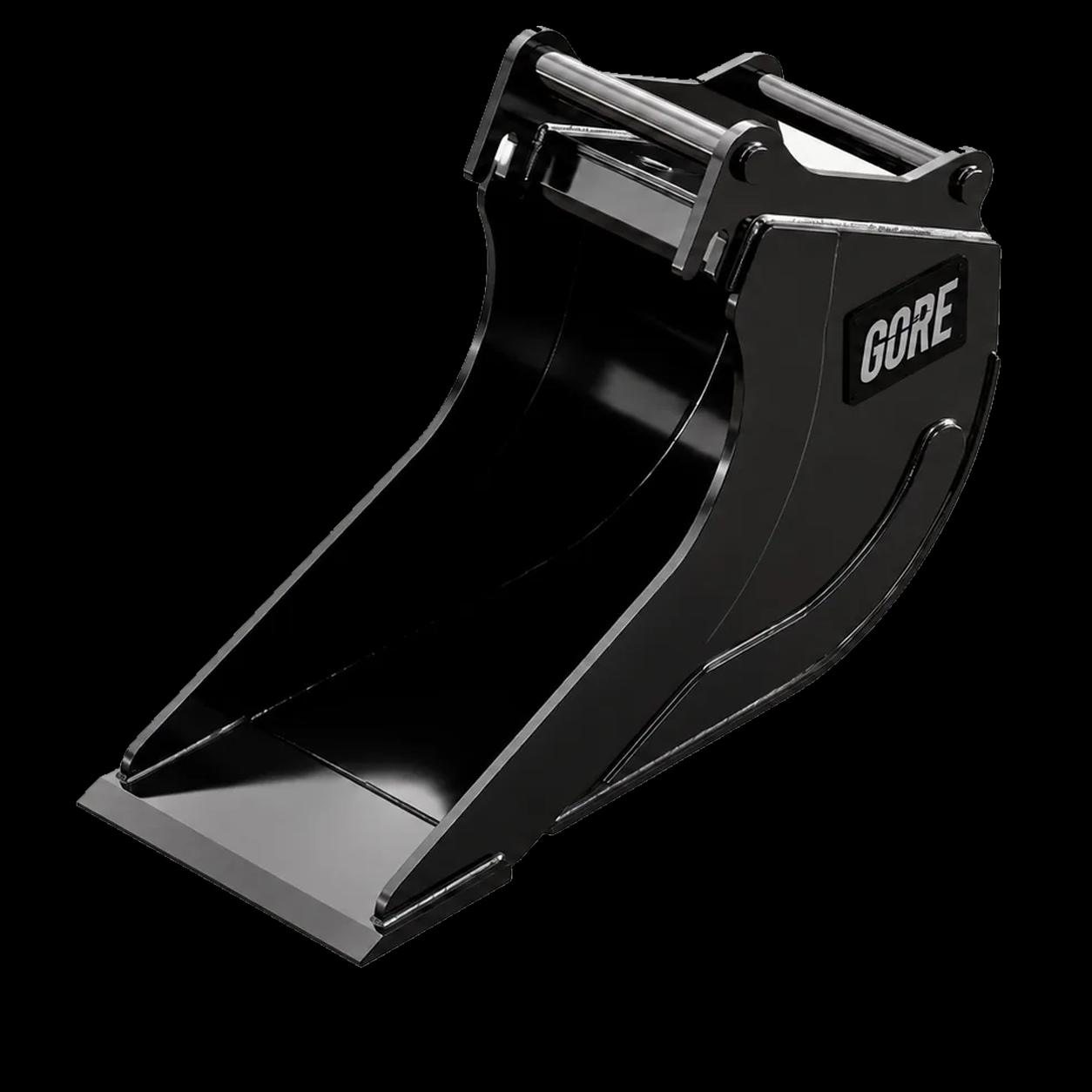
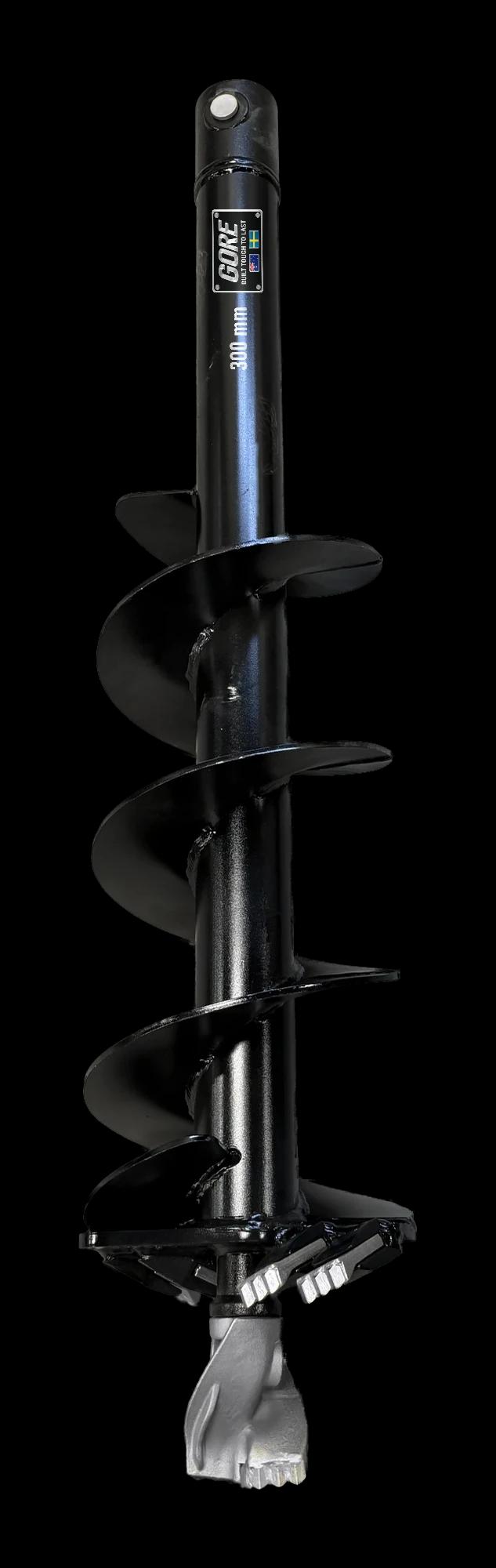
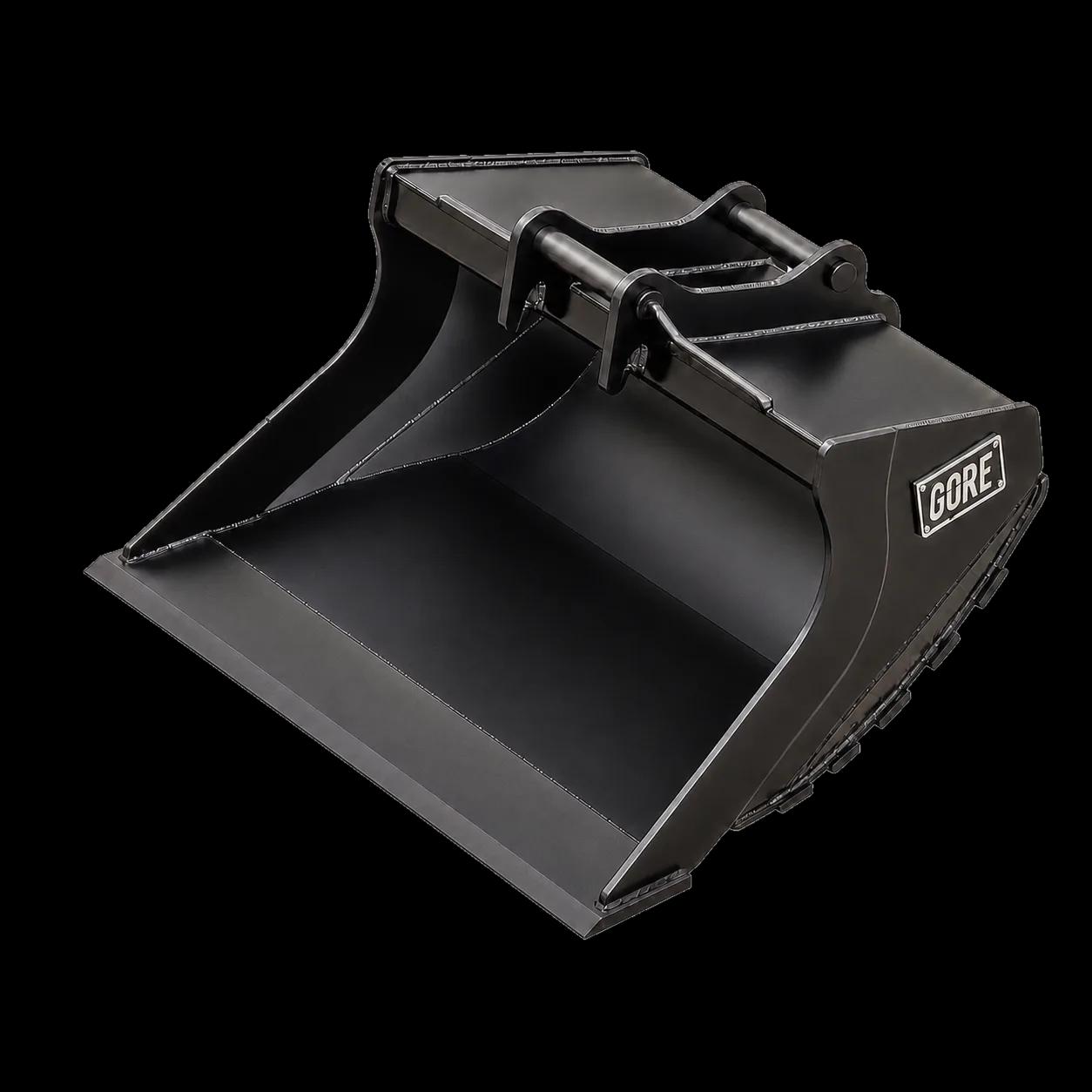
Trench and pit rows are dug with cable and digging buckets, hole rows with auger bits, and measured areas are finished with grading buckets.
How it works
- 01
Add a position with its number, text and unit, then add rows: trench with slope, pit, holes, area, length, count or a free formula such as 3+2.4×6.3.
- 02
Mark deductions, add a photo and tag the row with its area and part-invoice number. Bring in saved quantities from the excavation, drawing take-off or survey tools of the same job.
- 03
Set the part invoice you are measuring now: each position shows what was carried over, the total and this time. Print the measurement sheet or export the rows as CSV.
Formula
Trench with slope: (bottom width + slope × depth) × depth × length, both walls sloped. Pit: length × width × depth. Holes: count × π × (diameter ÷ 2)² × depth.
Row result = equal parts × formula; a deduction counts negative. Position total = sum of its rows; this time = total − carried over.
Load labelled example
A trench 24 m long, 0.6 m wide at the bottom and 1.2 m deep with 1:1 slopes holds (0.6 + 1 × 1.2) × 1.2 × 24 = 51.84 m³. A manhole of Ø 1.0 m and 1.2 m depth deducts 0.942 m³, leaving 50.898 m³ for the position.